Andrew Horan: Innovations in Construction and Urban Development
The construction and urban development sectors are undergoing substantial transformations driven by innovative practices and technologies. Andrew Horan stands at the forefront of these developments, advocating for modernization while addressing sustainability and efficiency. His vision emphasizes the integration of smart technologies into construction, which aims to enhance project outcomes and reduce the overall environmental impact.
One of the key innovations that Horan promotes is the use of Building Information Modeling (BIM). This technology allows all stakeholders in a construction project to collaborate more effectively, providing a comprehensive digital representation of the physical and functional characteristics of places. By utilizing BIM, architects, contractors, and engineers can foresee and address potential issues before they escalate into costly problems, thereby improving site efficiency and timelines.
Moreover, Horan highlights the importance of incorporating sustainable practices in urban development. Innovations such as modular construction, which enables the rapid assembly of buildings using prefabricated components, not only speed up the construction process but also minimize waste and reduce carbon emissions. Additionally, renewable energy solutions, such as solar panels and green roofs, are becoming standard in new developments, contributing to lower energy costs and a reduced carbon footprint.
To support urban growth amid rising population densities, Horan champions mixed-use developments that combine residential, commercial, and recreational spaces. This approach fosters greater community interaction while mitigating urban sprawl. Furthermore, promoting smart city principles, such as intelligent transport systems and responsive infrastructure, ensures that urban areas can adapt to the demands of modern living efficiently.
Through these innovations in construction and urban development, Andrew Horan is not only shaping the physical landscape but also laying the groundwork for a sustainable future, addressing the challenges of contemporary urbanization while enhancing the quality of life for its inhabitants.
Insights into Construction and Urban Development
As a prominent figure in the construction and urban development sector, Andrew Horan offers invaluable insights that reflect current trends and innovative practices shaping the industry. His extensive experience spans various aspects of construction and demolition, addressing the challenges and opportunities that arise in modern urban environments.
One significant trend highlighted by Horan is the increasing emphasis on sustainability within construction practices. As cities expand and population densities rise, the demand for eco-friendly solutions becomes paramount. Horan advocates for the integration of green materials and sustainable building techniques, which not only reduce the environmental impact but also enhance the energy efficiency of urban structures.
Additionally, advancements in technology play a crucial role in the evolution of the construction industry. Horan emphasizes the importance of adopting cutting-edge technologies such as Building Information Modeling (BIM) and advanced project management software. These tools facilitate better planning, execution, and monitoring of construction projects, ultimately leading to improved outcomes.
Moreover, Horan notes the growing importance of community engagement in urban development processes. Understanding and addressing the needs and preferences of local communities is essential for the success of any development project. By fostering open communication and collaboration with stakeholders, developers can create spaces that are not only functional but also enhance the quality of life for residents.
In summary, Andrew Horan’s professional insights shed light on the evolving landscape of construction and urban development. His focus on sustainability, technology, and community engagement underscores the need for adaptable practices in an industry that is continually transforming. As the future of construction unfolds, embracing these insights will be essential for all industry stakeholders.
Introduction
Andrew Horan has emerged as a pivotal figure in the realm of construction and urban development, renowned for his innovative approaches and forward-thinking strategies. With an extensive background in both engineering and architectural design, Horan has consistently demonstrated a commitment to integrating sustainability and efficiency within the industry. His leadership inspires a new generation of professionals dedicated to transforming urban landscapes and addressing the multifaceted challenges that arise in today’s built environment.
The significance of exploring current trends and challenges in construction and urban development cannot be overstated. As cities continue to evolve and populations swell, the demand for housing, infrastructure, and community spaces rises correspondingly. This necessitates a profound understanding of contemporary issues such as resource management, environmental impact, and technological advancements. Andrew Horan, drawing on his extensive experience, seeks to guide discussions around these urgent topics.
Furthermore, the integration of advanced technologies, including building information modeling (BIM), artificial intelligence, and eco-friendly materials, is reshaping the industry. Professionals must remain vigilant in adapting to these new paradigms to ensure that urban development is not only efficient but also sustainable. Horan’s expertise provides a valuable perspective on how these innovations can be harnessed to create resilient urban environments that meet the needs of both current and future inhabitants.
Thus, as we delve deeper into the pressing issues the construction industry faces, it is crucial to understand Horan’s contributions and vision for the future. His work exemplifies the intersection of practicality and creativity, serving as a beacon for others in the field to follow. This exploration will help illuminate the path towards more sustainable and effective practices in construction and urban development.
Understanding Construction and Urban Development
Construction and urban development are two pivotal sectors that work hand-in-hand to shape the physical landscape of societies. Construction involves the processes of designing, planning, and building structures such as residential homes, commercial properties, and infrastructure like roads and bridges. Urban development, on the other hand, encompasses the broader planning and management of urban spaces, which includes zoning laws, public services, and community amenities. Together, these two areas ensure that urban centers not only grow in size but also enhance their functionality and livability.
The interconnectedness of construction and urban development is essential for sustainable economic growth. As cities expand, there is a surge in the demand for new construction projects that provide necessary housing and facilities. Concurrently, thoughtful urban development ensures that these structures are integrated seamlessly into the existing environment and are able to serve the needs of the community effectively. This synergy promotes not just infrastructure development but also encourages social cohesion, equitable resource distribution, and holistic community welfare.
Furthermore, construction and urban development significantly contribute to economic growth by creating a multitude of jobs in various sectors. Skilled labor, engineering, architecture, and urban planning jobs are all derived from these sectors. Moreover, a robust construction industry can stimulate local economies through increased spending on materials and supplies and can attract new businesses and residents to urban areas. Andrew Horan’s insights into these interconnected domains highlight the importance of innovative practices and sustainable methodologies, emphasizing how future-focused construction and urban development can lead to environment-friendly and economically viable communities.
Current Trends in the Construction Industry
The construction industry is currently experiencing significant transformations driven by various trends that prioritize efficiency, sustainability, and innovation. One of the most prominent shifts is the growing emphasis on sustainable building practices. As environmental concerns continue to rise, more construction projects are integrating green materials and energy-efficient designs. These practices not only reduce carbon footprints but also enhance the overall value of properties, aligning with the global movement towards sustainability.
Technological advancements are also reshaping the landscape of construction. The incorporation of Building Information Modeling (BIM), drones, and robotics has revolutionized project planning and execution. These technologies improve accuracy, enhance collaboration, and streamline workflows, ultimately leading to reduced costs and timeframes. Companies that embrace these innovations are likely to gain a competitive edge in an industry that is becoming increasingly tech-driven.
However, the construction sector also faces challenges, particularly in workforce management. The demand for skilled labor continues to exceed supply, resulting in workforce shortages that impact project timelines and quality. Companies, including those led by industry leaders like Andrew Horan, are responding to these challenges by investing in training programs and technologies that enhance workforce productivity. Horan’s initiatives include advocating for educational partnerships and promoting trade skills among younger generations.
Additionally, as urban populations grow, the need for efficient urban development solutions becomes pronounced. Trends such as mixed-use developments and urban infill projects are gaining traction, allowing for more sustainable community-building practices that reduce urban sprawl. Andrew Horan recognizes the importance of adapting to these trends, focusing on innovative designs that cater to the evolving needs of urban environments.
Challenges Facing the Demolition Sector
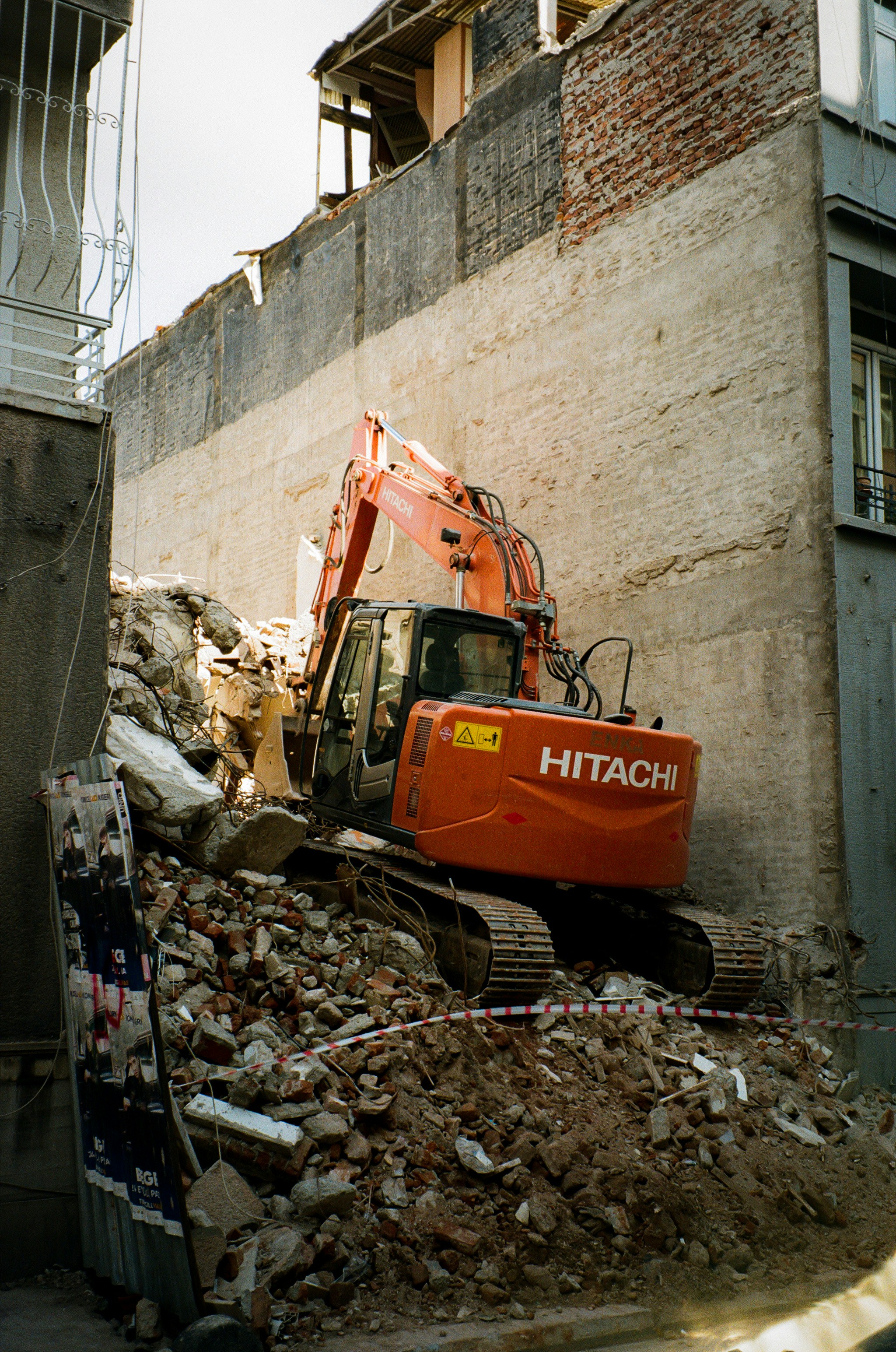
The demolition sector plays a critical role in urban development; however, it faces numerous challenges that can hinder operations and project timelines. One of the primary challenges is the complex web of regulatory concerns. Government regulations dictate strict compliance regarding safety standards, waste disposal, and environmental impacts, which can vary significantly from one jurisdiction to another. For industry leaders like Andrew Horan, navigating these regulations is essential. His expertise ensures that demolition projects meet legal requirements while promoting best practices.
Furthermore, the environmental impacts of demolition cannot be overlooked. The demolition process often produces a considerable amount of waste, contributing to landfill overflow and environmental degradation. Leaders in the demolition industry, like Andrew Horan, have adopted sustainable practices, including recycling materials and reducing emissions. By incorporating green technology and sustainable methods, they not only comply with regulations but also lead the charge in minimizing ecological footprints, showcasing a commitment to environmental stewardship.
Safety issues represent another significant challenge within the demolition field. The demolition process is inherently hazardous, with numerous risks posed to workers, bystanders, and adjacent properties. Ensuring the safety of workers during demolition operations is paramount, which requires thorough training and adherence to safety protocols. Industry leaders have implemented comprehensive safety programs that focus on training, the use of advanced safety equipment, and the establishment of emergency response plans. By prioritizing safety, figures like Andrew Horan set a benchmark for the industry, illustrating how safety and efficiency can be achieved simultaneously.
Innovation in Urban Development
The modern landscape of urban development is being increasingly influenced by innovative approaches designed to enhance sustainability, improve quality of life, and streamline city infrastructure. A significant player in this transformative process is Andrew Horan, whose advocacy for smart city initiatives and integrated community planning has garnered attention across the globe.
Smart cities leverage technology to create efficient, data-driven environments that improve the urban experience for residents and visitors alike. This approach includes the implementation of internet of things (IoT) solutions, which facilitate communication between devices, thereby optimizing resources such as energy, water, and transportation. Horan’s emphasis on smart city innovations promotes the integration of real-time data usage, enhancing public service delivery and environmental sustainability.
Another critical component of Horan’s vision is integrated community planning, which seeks to harmonize urban development with the needs of the community and the environment. This holistic methodology focuses on creating liveable spaces that foster social interaction, economic vitality, and ecological resilience. By involving diverse stakeholders—including local communities, developers, and government entities—Horan ensures that urban development reflects the collective aspirations of the citizens it serves.
Moreover, his efforts in promoting public transportation solutions in urban settings demonstrate the importance of accessibility in fostering connected communities. These transportation networks not only reduce traffic congestion and minimize environmental impact but also enhance the overall livability of cities. By prioritizing innovative and inclusive designs, Horan serves as a catalyst for change in urban development, encouraging cities to adopt forward-thinking practices that pave the way for future generations.
Case Studies: Success Stories
Andrew Horan has emerged as a pivotal figure in revolutionizing construction and urban development through innovative strategies and groundbreaking projects. Across various cases, his initiatives have not only showcased the application of advanced techniques but have also delivered meaningful outcomes that underscore his vision for the future.
One notable success story is the redevelopment of the Elmsford Urban Center in New York. Under Horan’s guidance, the project embraced green building practices and sustainable materials, dramatically reducing the carbon footprint during construction. The integration of smart technology into building systems has resulted in a project that is not only energy-efficient but serves as a community hub, promoting local businesses and enhancing quality of life for residents. The positive feedback from the community exemplifies Horan’s commitment to urban development that prioritizes both innovation and social responsibility.
Another significant case is the Modesto Waterfront Revitalization Project in California, which aimed to breathe new life into the city’s neglected waterfront area. Horan’s visionary approach led to the incorporation of mixed-use facilities, public spaces, and pedestrian pathways that encourage social interaction. The project utilized cutting-edge construction techniques that expedited timelines while also maintaining high safety standards. The transformation of this area has not only spurred economic growth but also fostered a renewed sense of community pride.
Moreover, Horan’s influence can be seen in the smart city initiatives launched in various urban environments, aimed at enhancing infrastructure through technology. By advocating for integrated transportation systems and efficient energy management, these projects set an example of how urban planning can adapt to modern challenges. These case studies illustrate the effective strategies that Andrew Horan employs, demonstrating a clear pathway for future construction and urban development endeavors while prioritizing sustainability and community engagement.
Conclusion
Throughout this blog post, we have examined the significant contributions of Andrew Horan in the realms of construction and urban development. Andrew Horan has emerged as a visionary leader whose innovative approaches are shaping the future of these industries. His commitment to sustainable building practices and integration of advanced technology reflects a profound understanding of contemporary challenges and opportunities.
Additionally, Horan’s emphasis on collaboration among stakeholders points toward a more inclusive approach to urban development. His initiatives highlight the importance of community engagement in the planning and execution of construction projects. By fostering connections between developers, local governments, and residents, Horan exemplifies a model that others in the industry may strive to emulate.
Moreover, his dedication to research and development positions him as a forward-thinking figure, actively addressing the evolving demands of urban spaces. His insights into modular construction and smart city innovations pave the way for more efficient, cost-effective solutions that can adapt to various societal needs.
As we move forward into an era of rapid change within construction and urban development, the lessons and practices championed by Andrew Horan will undoubtedly influence the direction of these fields. It is vital for industry professionals, policymakers, and communities to remain informed and engaged with ongoing developments to leverage the advancements Horan advocates for, ensuring adaptable and sustainable environments. Staying connected to these trends allows stakeholders to actively participate in shaping the future landscape, fostering practices that benefit both current and future generations.